What Is Soya Chaap?
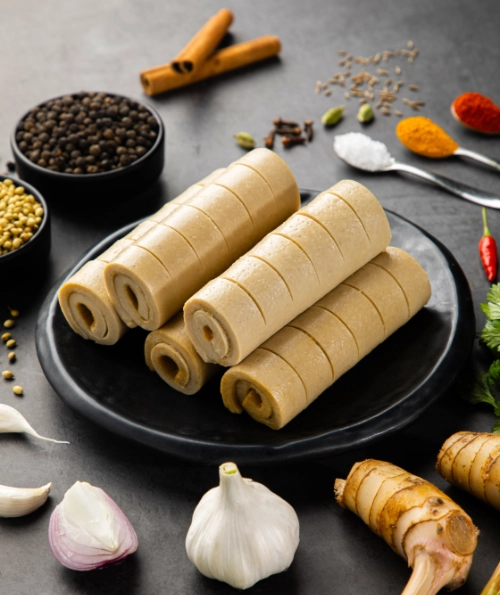
Soya chaap is a popular Indian plant-based protein product made from soy flour or soy protein. It has a chewy, meat-like texture that absorbs marinades and spices well, making it a staple in North Indian cuisine - particularly in tandoori, curry, and grilled preparations.
The Indian plant protein market is growing at 15%+ annually, driven by health-conscious consumers, vegetarian/vegan demand, and QSR chains adding plant-based options to their menus. Soya chaap sits at the center of this growth - it is the most commercially successful plant protein product in India by volume.
But not all soya chaap is created equal. The manufacturing method fundamentally determines the product's texture, protein content, consistency, and scalability.
Traditional Soya Chaap Manufacturing
The traditional method involves hand-wrapping soy dough around wooden sticks:
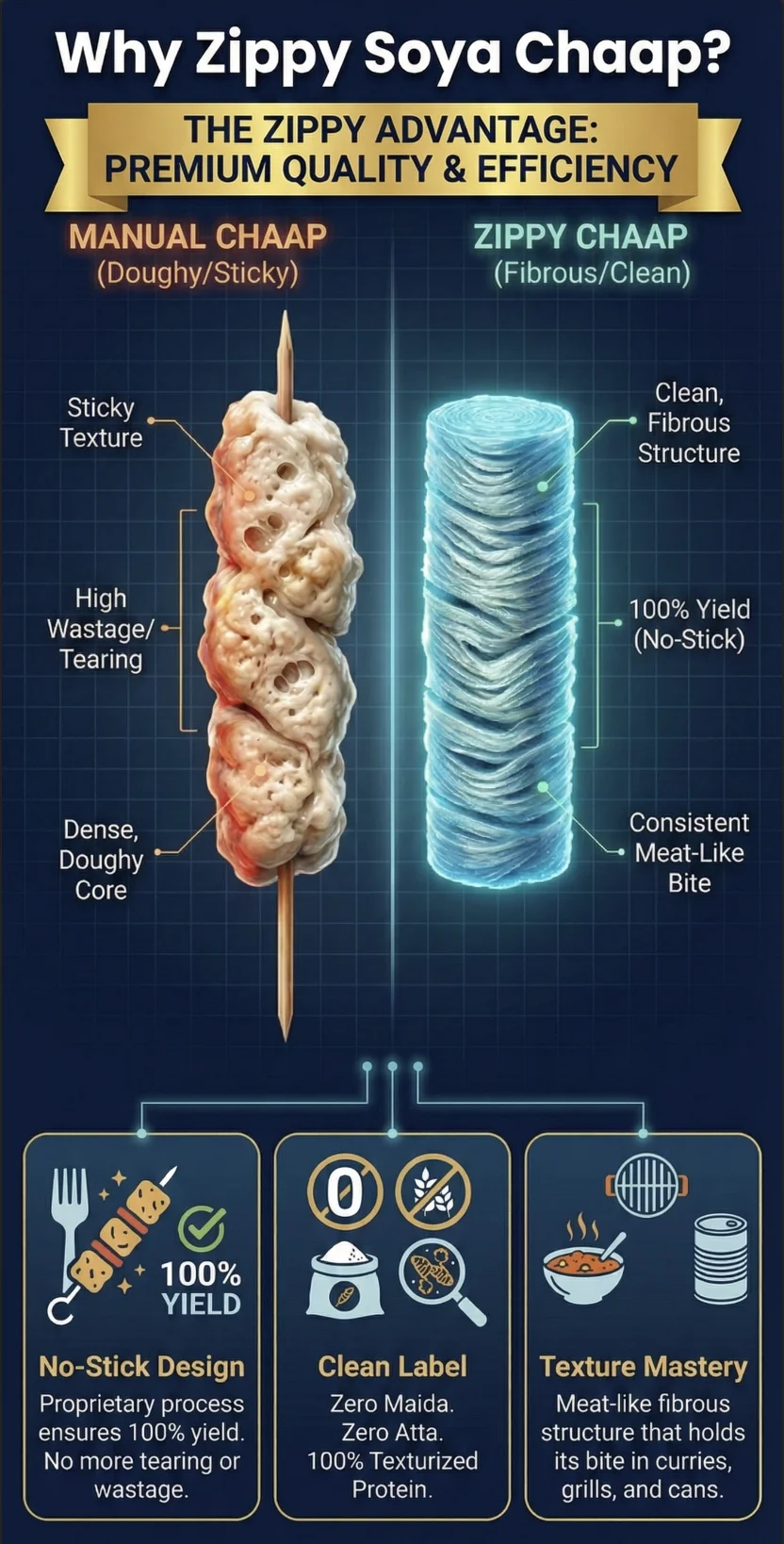
- Dough preparation: Soy flour is mixed with maida (refined wheat flour) and water. Most traditional manufacturers use 40-60% maida as a binder - this significantly reduces the protein content.
- Hand wrapping: Workers manually wrap the dough around wooden or bamboo sticks. This is labor-intensive and inherently inconsistent - each piece varies in thickness, density, and weight.
- Steaming/boiling: The wrapped sticks are steamed or boiled to set the shape.
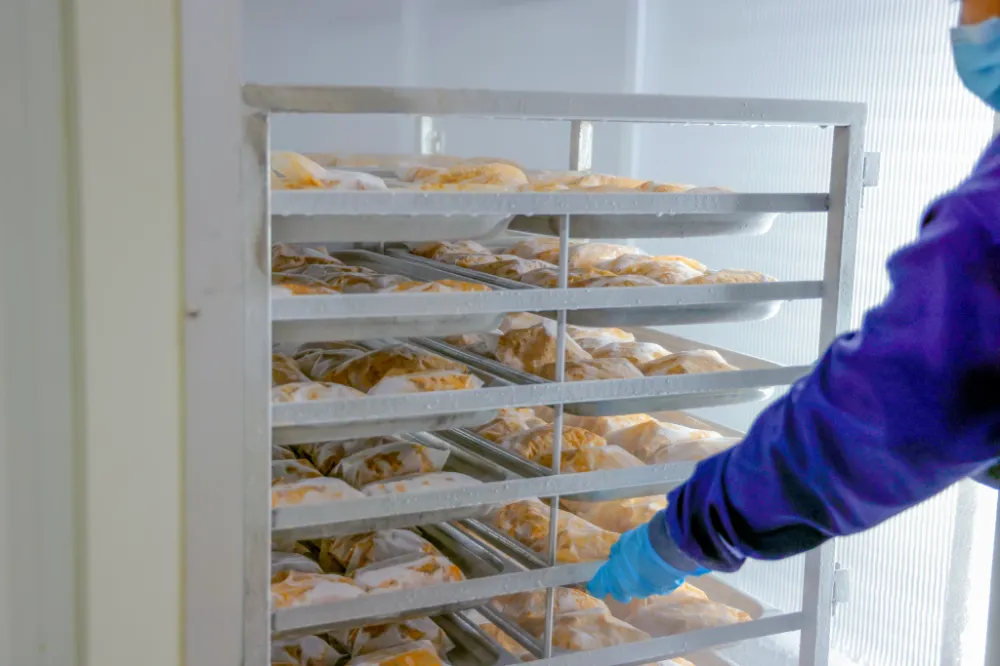
- Freezing: Products are frozen for distribution.
Limitations of Traditional Manufacturing
- Low protein: 40-60% maida means the final product is more refined flour than soy protein. Typical protein content is 12-18% vs 25%+ for HMMA products.
- Inconsistency: Hand wrapping means every piece is different. QSR chains cannot accept this variation.
- Not scalable: Labor-intensive process - can scale with more workers but remains manual and inconsistent regardless of volume.
- Food safety risk: Manual handling at every step increases contamination risk. Wooden sticks are difficult to sanitize.
- Texture: Spongy, uniform texture - lacks the fibrous, layered structure that mimics real meat.
HMMA Extrusion: The Modern Alternative
HMMA stands for High-Moisture Meat Analog - an advanced extrusion technology that creates realistic, fibrous plant protein textures. It is the same technology used by global plant protein companies like Beyond Meat and Impossible Foods.
How HMMA Extrusion Works
- Protein preparation: Soy protein flour and other plant proteins are mixed with water and natural ingredients. No maida is required - the high-moisture extrusion process creates texture through protein alignment, not flour binding.
- Twin-screw extrusion: The mixture enters a twin-screw extruder (machines like the Coperion ZSK series) High shear, high moisture (50-70%), and controlled temperature create a laminar flow that aligns soy proteins into fibrous layers.
- Cooling die: The extrudate passes through a long cooling die where the fibrous structure solidifies. This is where the meat-like texture is locked in.
- Downstream forming: The continuous extrudate is cut, shaped, and formed into the desired product - rolls, strips, chunks, mince, or custom shapes.
- Packaging: Products can be frozen or packed in retort pouches/cans for shelf-stable distribution. Because HMMA product has already been exposed to high heat and shear during extrusion, it withstands retort processing much better than traditional chaap, which loses its texture under retort conditions.
Why HMMA Is Superior for Commercial Production
- High protein: 50%+ soy protein flour on dry basis (no maida needed). The extrusion process itself creates texture.
- Consistent quality: Every batch is identical. Weight, size, texture, and protein content are controlled by machine parameters, not worker skill.
- Scalable: A single HMMA line produces 8-10 MT/day - more than an entire traditional facility.
- Food safety: Fully automated, hands-free process. No manual handling between raw material and finished product.
- Realistic texture: Layered, fibrous structure that shreds like real meat. Absorbs marinades deeply. Cooks and behaves like meat in a kitchen.
- No wooden stick: HMMA chaap uses hollow-core designs for better marinade penetration.
HMMA vs Traditional: Side-by-Side Comparison
| Parameter | Traditional | HMMA Extrusion |
|---|---|---|
| Protein content | 12-18% | 25-35% (50%+ dry basis) |
| Maida content | 40-60% | 0% |
| Texture | Spongy, uniform | Fibrous, layered, meat-like |
| Consistency | Variable (manual) | Batch-to-batch identical |
| Daily capacity | Scales with labor (manual) | 8-10+ MT |
| Labor per MT | High | Minimal (automated) |
| Food safety | Manual handling risk | Automated, FSSC certifiable |
| Shelf-stable option | Possible, but texture degrades significantly | Yes (retort, canned) - HMMA texture withstands retort processing |
| Equipment investment | Low | High (specialized European equipment) |
| Suitable for QSR chains | No (inconsistent) | Yes (leading QSR chains require HMMA-grade consistency) |
Equipment Landscape in India
HMMA extrusion requires specialized twin-screw extruders with long cooling dies. As of 2026, there are only a handful of operational HMMA extruders in India:
- Coperion ZSK series (Germany): The gold standard. Used by Zippy Edibles (ZSK 54 at Rudrapur facility). High throughput, excellent process control.
- Indian manufacturers (Steer Engineering and others): Emerging players who may offer domestic alternatives, but the technology - particularly cooling die design - is still maturing.
The significant capital investment required for a complete HMMA line (extruder, cooling die, downstream forming, freezing, and packaging) is the primary barrier to entry. This is why contract manufacturing from an established HMMA facility is the practical choice for most brands.
The Cooling Die: The Most Critical Component
The cooling die is the heart of HMMA technology. It is where the molten protein mass solidifies into the layered, fibrous structure that mimics meat. European manufacturers (particularly Coperion) have decades of IP and expertise in cooling die design for HMMA. The die geometry, cooling channel layout, and length directly determine the final texture quality. This is a significant technical barrier - it is not just about buying an extruder, the cooling die design is what separates good HMMA product from mediocre.
What to Look for in an HMMA Manufacturer
- Equipment origin: European extruders (Coperion) deliver more consistent results due to decades of HMMA cooling die expertise.
- Downstream capability: The extruder is only part of the equation. Cutting, forming, coating, marination, and freezing infrastructure matter equally.
- Certifications: FSSC 22000 is the minimum for QSR and export supply. FSSAI is legally required.
- R&D capability: A pilot extruder for trials before committing to full production.
- Shelf-stable options: Retort/canning capability opens export markets where cold chain is expensive.
Market Opportunity for Soya Chaap
The Indian plant protein market is projected to exceed Rs 4,000 crore by 2028. Soya chaap is the largest segment by volume, driven by:
- QSR adoption: Major QSR chains and regional chains are adding plant protein to menus. They require HMMA-grade consistency.
- Retail growth: Frozen soya chaap is one of the fastest-growing categories in modern retail. D2C brands are launching plant protein lines.
- Export potential: Shelf-stable formats (retort, canned) make Indian soya chaap competitive in global markets where cold chain infrastructure is limited.
- Institutional demand: Airlines, railways, hotel chains, and catering companies are standardizing plant protein offerings.
The shift from traditional to HMMA manufacturing is still early. Most soya chaap in India is still made traditionally. Brands that adopt HMMA-grade product now gain a significant quality advantage.